The Myth of the Flat Organization
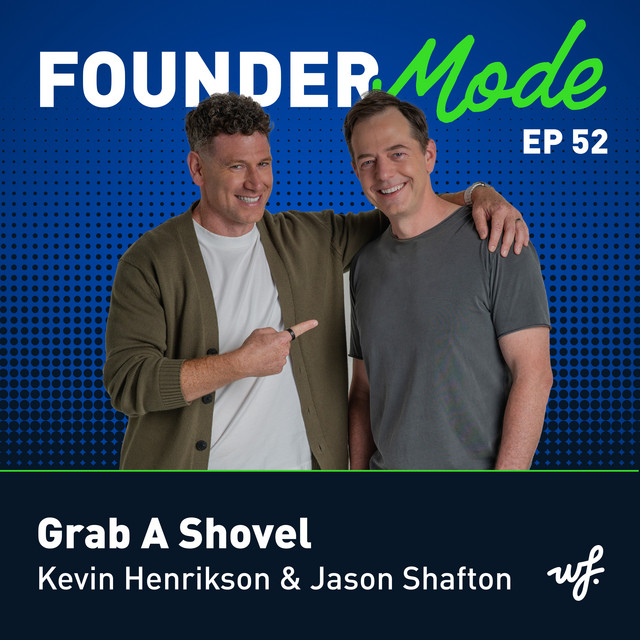
Welcome back to Founder Mode!
I don’t care about your title, and neither should the person sitting next to you.
That’s something I’ve come to believe more and more while building Pretty Good AI.
We’re a small team. We’re moving fast. We’re building in a space that changes every week. And the fastest way to slow all of that down is to start worrying about who reports to whom.
I’ve seen this pattern repeat. The moment people start asking about structure, things start to break. Not in a big way. In small ways that add up.
Less speaking up. More waiting. More confusion.
That’s when I realized something simple. Org charts are a productivity tax for small teams.
Everyone Is in the Same Boat
At Pretty Good AI, I try to keep one idea very clear.
We’re all in the same boat.
There isn’t a layer where decisions live. There isn’t a group that owns thinking, while others just execute. If something is broken, anyone can call it out. If something can be better, anyone can fix it.
I’ve told the team this directly.
“I expect junior people to correct senior leadership in public channels if it helps us move faster.”
That’s not about culture points. It’s about speed.
Because the best ideas don’t come from titles. They come from context. And in a small team, everyone has context.
“I’ve always felt like the way to execute in small companies is simple. Everybody is on the same team, working on the same thing.”
If that’s true, then titles don’t help. They get in the way.
Titles Create Distance
Titles feel useful. They give people clarity. They make things look organized.
But they also create distance between people.
If someone feels like they can’t challenge a decision because of who said it, you just lost a better outcome.
If someone thinks something isn’t their job, you just slowed down execution.
If someone waits for approval instead of acting, you just added friction that didn’t need to exist.
I’ve watched this happen in real time.
We had a situation where people started to “jostle” for position. Nothing dramatic. Just small questions about ownership. Who owns what? Who should make the call?
That’s normal. But it’s also where things can drift.
So I stepped in and reset it.
“I don’t care about the org chart. I care about who has the best idea and the time to execute it.”
That changed the conversation right away.
Direct Communication Beats Structure
One of the biggest lessons for me has been this.
Direct communication solves most problems.
Not process. Not tools. Not meetings.
Just people talking to each other clearly and quickly.
At Pretty Good AI, we don’t try to route everything through layers. We go straight to the person who can help. We talk in public channels so everyone can see the context. We make decisions where the work is happening.
It’s not always clean. But it’s fast.
“I’d rather have a slightly messy system that moves quickly than a clean system that moves slowly.”
That tradeoff matters more than people think.
Because in AI, speed is everything. You learn faster. You adjust faster. You get to the right answer sooner.
Structure often slows that down.
Ownership Over Roles
When you remove hierarchy, something shifts.
People stop thinking about roles. They start thinking about outcomes.
Instead of asking, “Is this mine?” they ask, “Does this matter?”
That’s a better question.
Because now the team is aligned around what needs to happen, not who is supposed to do it.
This shows up in small ways every day.
Someone jumps in to fix a bug that isn’t “theirs.”
Someone challenges a decision even if they’re newer.
Someone takes ownership because they see the gap, not because they were assigned to it.
That’s the system I want.
“I don’t want people protecting their lane. I want people expanding it.”
That’s how you actually move faster.
The Tradeoff You Have to Accept
This way of working is not for everyone.
When you remove hierarchy, you also remove the ability to hide.
There’s no “that wasn’t my call.”
There’s no “I was waiting for approval.”
There’s no clean boundary between your job and someone else’s.
You have to be comfortable speaking up. You have to be comfortable being wrong in public. You have to take ownership without being asked.
That’s uncomfortable.
But it’s also what makes small teams powerful.
Because when everyone is visible, everyone improves faster.
What I’ve Changed
Earlier in my career, I leaned more into structure.
Clear roles. Defined ownership. Clean reporting lines.
It felt right. It felt organized.
But over time, I saw the downside.
People are optimized for their role instead of the mission. Communication slowed down. Decisions took longer.
Now I optimize for something else.
Clarity of intent. Speed of action. Shared ownership.
Everything else comes after that.
“I dismissed formal org charts as something for big companies and lazy people. What matters is that everyone is on the same team, working on the same thing.”
That belief has only gotten stronger.
Key Takeaways
- Titles create distance, and distance slows teams down
- Small teams move faster when everyone is visible and involved
- Direct communication is more valuable than perfect structure
- Ownership of outcomes matters more than defined roles
- The best idea should win, no matter where it comes from
Final Thoughts
I’m not against structure.
At some point, you need it. As teams grow, complexity grows with it.
But most teams add structure too early.
They copy what big companies do without asking if it applies.
At Pretty Good AI, we’re still in the phase where speed matters most.
We’re learning in real time. We’re building fast. We’re adjusting constantly.
And in that environment, I don’t want layers. I don’t want gatekeepers. I don’t want people waiting for permission.
I want a team that sees the problem and acts.
We’re all in the same boat.
That’s the only org chart that matters.
See you on Friday!
-kevin
Recent Social Posts
Recent Podcasts

2810 N Church St #87205, Wilmington, DE 19802
Unsubscribe · Preferences